


-
 Written By:
Alex Herrera
Written By:
Alex Herrera
-
 Edited By:
Phyllis Rodriguez, PMHNP-BC
Edited By:
Phyllis Rodriguez, PMHNP-BC
-
 Clinically Reviewed By:
Dr. Ash Bhatt, MD, MRO
Clinically Reviewed By:
Dr. Ash Bhatt, MD, MRO
What to Pack for Inpatient Rehab in Ohio
Packing for a treatment center is one of the final steps before recovery starts. You need to feel ready and calm before you arrive at our facility. This helps you focus on your health and healing.
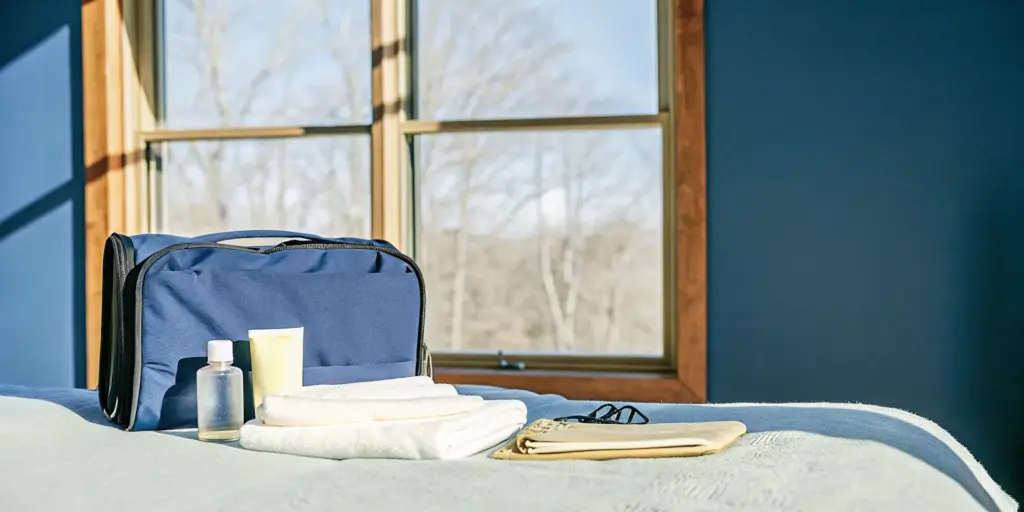
Knowing what to pack for inpatient rehab ensures you have everything you need for a safe and cozy stay in our Ohio facility. Your list should include loose clothing, basic hygiene products, and your important medical records. You must also bring a full list of your current medications and their doses to help our clinical team manage your care safely. According to the Mayo Clinic, bringing comfy clothes and a robe or sweater is vital for feeling at home during your time in the clinic. Most centers have strict rules about what is allowed inside, so please leave jewelry and other high cost items at home. This planning helps you settle in fast so you can start your hard work toward a sober life. We are here to support you through every part of this change.
It is normal to feel some stress as you get ready for this big change. We want you to feel steady and prepared for your first day. Your quick inpatient rehab packing checklist covers all the basics for your stay. The path begins with
What To Pack For Inpatient Rehab: Your quick inpatient rehab packing checklist
Getting ready for a stay at a treatment center is a big step. It is normal to feel some stress as you start preparing for inpatient treatment. Packing the right items can help you feel more at ease. It also helps you stay focused on your health. Most centers have rules about what you can and cannot bring.
Clothing and comfort items
You should pack clothes that are easy to wear. Experts at the Mayo Clinic suggest loose, comfy clothing for your stay. You may also want a warm robe or a sweater. These items help you stay cozy in clinic rooms that might feel cold. It is best to pack about one week of outfits. Most places have machines so you can do laundry during your stay.
Personal care items are also a key part of your list. Bring things that make you feel good, like your own shampoo or a toothbrush. You may also want a favorite pillow or a photo of your family. These small things can make a new place feel more like home. Just be sure that all liquids are in the bottles they came in.
Use this table to see what you should bring and what you should leave behind.
| What to bring | What to leave home |
|---|---|
| Seven days of loose clothes. | Short or tight clothing. |
| A warm robe and slippers. | Pricey jewelry or lots of cash. |
| Basic toiletries and soap. | Items with alcohol in them. |
| A list of your current meds. | Banned drugs or weapons. |
| Photos of your loved ones. | Laptops or video games. |
Paperwork and medical needs
You will need to bring some main papers for the intake team. This includes your ID and your insurance card. You should also have a full list of any meds you take now. Make sure the list shows the name of the drug and the dose. Having these papers ready makes the start of your stay much smoother. It also helps the staff keep you safe.
If you live far away, you may need help getting to the center. Our team can help with planning your travel for treatment if you are coming from out of town. We want to make the trip as easy as we can for you. Once you arrive, we will check your bags to keep the center safe for everyone. Always call the center to get their full list of rules before you leave home.
Documents and information to bring
When you start to think about what to pack for inpatient rehab, your first focus should be on papers. Having the right files ready makes the intake process much faster and easier. While each center has its own rules, most places need the same basic proof of ID and health coverage. Getting these items early helps lower your stress on the day you arrive for care.
Personal ID and health coverage
You must bring a valid photo ID, such as a driver’s license or passport. This helps the staff check who you are and keeps your records safe. You should also carry your current health insurance card or a Medicare card if you have one. Giving these facts right away ensures that your benefits are ready to use from the start. It also helps the center confirm what types of care your plan covers before you begin.
It is a good idea to bring a small amount of cash for minor needs, but avoid large sums. Most centers prefer that you keep your wallet light to prevent loss. You can check with the center to see if they have a safe place for costly items. Knowing your preparing for inpatient treatment involves these small steps can make you feel more in control.
Medical records and lists
A major part of stay prep is gathering your health history. You should bring a clear list of all your current medications and their doses to show the health team. This list must include any pills from a doctor, over-the-counter drugs, and vitamins you take. Having this ready helps the health staff create a plan that is safe for your body. It prevents errors and ensures you get the exact care you need each day.
If you have recent medical records from other clinics, bring copies of those as well. This data gives the team a full view of your health needs. You should also mention any allergies or chronic issues that need daily care. Clear records help the staff give you the best support during your time at the center.
Legal papers and contact details
Legal papers are also helpful to have on hand during your stay. You may want to include a copy of your living will or a legal power of attorney. These files tell the center how to handle your care if you cannot speak for yourself. Keeping these advance directives in your record is a standard safety step for many health programs.
Lastly, bring a list of names and phone numbers for people you want the center to call. This list should include your next of kin, close friends, and your main doctor. Since many rehabs limit phone use at first, having these numbers on paper is vital. It allows the staff to help you stay in touch with your support system while you focus on your health.
- Valid state ID or passport
- Current health insurance cards
- Complete list of all medications
- Copies of medical records
- Names and numbers of main contacts
How should you pack medications for rehab?
Bringing your meds to care is a big part of what to pack for inpatient rehab. The staff needs to know exactly what you take to keep you safe. Good plans help the medical team care for you from day one. Talk to the center before you pack any drugs or pills.
Use original pill bottles
You must keep all your drugs in the bottles they came in. The clinic needs to see labels to check the dose and the doctor’s name. Do not put your pills in plastic bags or small box cases. Staff cannot use loose pills because they cannot be sure what they are. This rule keeps you safe and makes the start of your stay easier.
The label on each bottle should clearly show your name. It must also list the name of the drug and how much you take. If a label is old or hard to read, ask your drug store for a new one. You can also use your phone to take a clear photo of all your medication labels as a backup. This helps the team if a bottle gets lost or broken on your trip.
Make a clear list of meds
When you are preparing for inpatient treatment, write a full list of everything you take. This includes items from a doctor and things you buy at the store. Your list should be easy to read and up to date. Having this list ready helps the nurses when they check your health.
Your drug list should include these details for each item:
- The name of the drug or vitamin.
- The dose you take and how many times a day you take it.
- The reason why you need to take that specific drug.
- The name and phone number of the doctor who gave it to you.
Talk to the intake team
Every center has its own rules for what you can bring. Some places give you items for pain or sleep, but others want you to bring your own. Call the center and ask about their rules for store-bought items. This includes vitamins, herbs, and even cough drops.
Ask the staff these questions before you arrive:
- Should I bring a 30-day supply of my daily meds?
- Are there any types of vitamins that are not allowed?
- Do I need a note from my doctor for certain drugs?
- How will the staff store and give me my meds each day?
Comfortable clothing for an Ohio stay
When you start to think about what to pack for inpatient rehab, focus on items that make you feel safe and at ease. Your stay is a time to heal, so your clothes should help you stay calm. Ohio weather can be quite odd. It can be sunny one hour and cold the next. You need a plan for your clothes that works for all days. Packing the right gear lets you focus on your path to health without worry.
Focus on comfort and layers
Ohio has cold winters and warm summers, but indoor clinic rooms often stay cool. Bringing loose, comfy clothing is needed for an inpatient stay. These items help you feel more at home and let you move with ease during group work. You should pack items that you can layer with no fuss. A soft robe or a sweater is a great choice in case you get cold in clinic rooms. These layers let you adjust your body heat fast so you stay cozy all day long.
For daily wear, pick soft t-shirts, hoodies, and soft pants. Most centers ask for modest clothing that fits well. This helps create a skilled and kind space for all. Having clothes that feel good on your skin can lower your stress. When you are preparing for inpatient treatment, think about what you like to wear on a quiet day at home. Those are often the best items to bring with you to the center.
Choosing the right shoes
You will move around the center quite a bit for meals and meetings. It is wise to bring shoes that keep your feet safe and happy. Comfy walking shoes and slippers are high on the list of needs. Look for shoes that offer good grip and help. You might want to pick slip-ons or shoes with stretchy laces. These make it simple to take your shoes off and put them back on when you enter new rooms. Having the right shoes helps you stay steady on your feet as you go through your day.
Pack flip-flops for the shower to keep your feet clean. Make sure all your shoes are in good shape before you pack them. Avoid high heels or shoes that are hard to walk in. Your goal is to be as relaxed as possible while you do the hard work of healing. Simple, sturdy shoes are the best pick for your stay in Ohio.
Items to leave at home
Safety is the most vital part of a good stay for both patients and staff. To keep the space safe, there are clear rules on what not to bring. Weapons of any kind are never allowed in the buildings. This rule helps make sure that all feel safe at all times. It is also a good idea to leave your best jewels and items with high value at home. This stops the loss of things that you hold dear while you are away.
Packing light can also help you feel less weighed down. You only need enough clothes for about a week. Most places have laundry rooms that you can use. This means you do not have to bring your whole closet. Light bags make your move much easier. If you need help getting to the center, you can look into planning your travel for treatment. Clear rules and simple packing help you start your stay with a clear mind.
Toiletries and personal comfort items
Packing your personal care items is a key step when you learn what to pack for inpatient rehab. These items help you feel clean and fresh each day. When you feel good in your body, it is easier to focus on your mental health. Most centers want you to bring a basic set of hygiene tools to use during your stay.
Hygiene products with no alcohol
When you pick out your hygiene items, you must check the labels. Most rehab centers need products with no alcohol. This is a strict rule to keep the center safe and drug-free for all patients. You should bring items like shampoo, conditioner, and soap to use every day. Other needs include a toothbrush, toothpaste, and a brush.
It is helpful to bring items that are new and still in their first packs. This makes the check-in process much faster for the staff. If you bring opened items, the team may need to take them away for safety reasons. You should also pack shaving tools and lotion if you use them. Always check with the center before you arrive to see their specific rules on brands or sizes.
Having your own products can make a big difference in how you feel. This routine is part of preparing for inpatient treatment and getting ready for a new life. Small comforts like your favorite scent of soap can help you feel more at ease in a new place.
Journals and reading items
Your time in rehab will include many hours of therapy and self-work. Many people find that writing in a journal helps them process their feelings. You should pack a notebook and pens. This gives you a private place to write down your goals or the things you learn in group sessions.
You can also use your notebook to write down questions for your care team. It is easy to forget things when you are in a session, so having them on paper helps. You might also want to bring some books or magazines to read during your quiet time. Choose books that help you stay calm and focused on your health. These items help you pass the time between your daily meetings.
Photos and comfort items
Being away from home is tough. You are often allowed to bring a few photos of your family, friends, or pets. Seeing the faces of those you love can give you hope when you have a hard day. You can also bring a favorite pillow or a soft blanket to use on your bed.
While comfort is vital, you should leave your costly items at home. This means you should not bring costly jewelry or cash. Most centers have rules against these items to prevent loss. Leave them with a friend. This lets you focus on your health without any worry about your belongings.
What should you leave at home?
Knowing what to leave behind is just as key as preparing for inpatient treatment. When you start at a center, the goal is to stop noise and focus on your health. Packing too much can lead to stress or loss of your goods. Many centers have strict rules about what is allowed on site to keep everyone safe. Check with the intake team for the full list of banned items before you arrive.
Assets and precious items
It is best to leave high value items and costly jewelry at home. While you may want to keep your best pieces close, they can be lost or broken in a busy spot. Keeping these items safe in your own house gives you one less thing to worry about during your stay. Most centers are not liable for lost goods, so play it safe with your things. This rule helps you stay focused on your own growth.
According to the Mayo Clinic, you should leave jewelry at home for safe keeping. Instead of large amounts of cash, you might only need a small sum for the gift shop or machines. If you do bring a wallet, the center may store it in a safe spot for you. Ask about how the center handles your ID and cards when you check in.
Safety and banned drugs
The safety of all guests and staff is the top goal for any clinical team. Because of this, weapons are not allowed in clinical buildings. This includes any tool that could be used to harm someone. Even small pocket knives or tools should be left behind. These rules make sure that the center remains a calm and healing space for every person in the program.
You must also avoid bringing any alcohol or drugs that are not approved by the staff. This includes many common items like mouthwash that has alcohol in it. Read labels on your personal care goods to make sure they are safe for a sober space. Bringing banned items can slow your progress and risk the safety of the group. If you are unsure about a specific brand, it is best to leave it or ask the team first.
Limited devices and media
Most programs want you to connect with the people around you and your own thoughts. For this reason, many centers limit the use of cell phones, laptops, and other screens. You may be asked to hand over your phone when you arrive for a few days. This break from the digital world helps you stay present in your therapy. It also protects the privacy of other guests who are on their own path.
Books and music are usually fine, but some media may be banned. If a book or song promotes drug use or dark themes, it might not be allowed. The team looks for things that support a positive mood and long-term health. Check what to expect in residential treatment to see how the center manages free time. By packing light and following the rules, you set yourself up for a smooth and helpful stay.
How to prepare for admission day
The day you start rehab is a big step. You may feel some stress or worry. This is normal. We make our admission process simple and clear to help you feel at ease. Taking time to plan now will help you focus on your health later. Here is how you can get ready for your first day of care.
Check the rules first
Each center has its own rules for safety. Before you pack, call the facility. Ask for a full list of what you can and cannot bring. For example, most places do not allow weapons or items with alcohol in them. Knowing the rules ahead of time helps you avoid issues when you arrive. You can then pack with peace of mind.
Plan your path and home tasks
Getting to our center should not be a burden. If you need help with your trip, we offer planning your travel for treatment to make it easy. At home, make sure your tasks are set. Pay your bills and find care for your pets or plants. Talk to your family about your plan so they can support you while you are away.
- List your meds. Bring a full list of your prescriptions and over-the-counter drugs. Write down the doses and why you take them. This helps our team keep you safe.
- Pack light and right. Choose loose, soft clothes that make you feel at home. Pack enough for about one week. Most centers have laundry machines you can use. Do not bring items that are hard to clean or very dear to you.
- Gather your papers. Bring your ID and insurance card. If you have medical records from your doctor, bring those too. These papers help us build your plan for preparing for inpatient treatment.
- Label your gear. Put your name on your bags and clothes. This stops your items from getting lost. It also makes the check-in move faster for you and the staff.
- Set your home goals. Tell your friends and job that you will be away. This lets you leave your stress behind. You can then put all your energy into getting well.
- Ask your last questions. If you are still not sure what to expect in residential treatment, ask our team. No question is too small. We are here to give you the facts you need to feel ready.
Focus on your comfort
Bringing a few items from home can help you feel better. You might pack a favorite photo of your family or a soft pillow. These small things can help you stay calm during your stay. Remember, the goal is to create a space where you can rest and heal.
Frequently Asked Questions
What is not allowed in rehab?
Safety is a top goal in these buildings, and for the safety of everyone, weapons are never allowed. According to the Mayo Clinic, you should leave fine jewelry and precious items at home for safe-keeping. Most centers also ban alcohol and illegal drugs. These rules help keep the site safe so you can stay focused on your own path to health without any outside issues.
What documentation do I need to bring for rehab admission?
You must bring several vital papers for your stay, which include your photo ID and insurance cards. If you have a living will, bring a copy so the staff can add it to your records. The Mayo Clinic notes that these papers help the care team honor your health choices. Proper planning helps as you begin preparing for inpatient treatment in a safe environment.
How should I handle my prescription medications when entering rehab?
It is vital to bring a full list of all your current medicines. This list should show the names, doses, and why you take each drug. You can bring the bottles or take clear photos of the labels with your phone. Correct records help the medical team manage your care safely. Proper tracking ensures that your plan stays on track for your long-term health goals.
How should I prepare my clothing for an inpatient rehab stay?
You should pack loose and comfy clothes that help you feel at ease during your stay. Most patients bring items like shirts, sweatpants, and a warm robe. Easy walking shoes or slip-ons are also wise for daily use. According to the Mayo Clinic, the right clothes help you take part in therapy and group work without pain. Being comfy allows you to focus more on your healing.
Are you ready to start your journey toward a better life today?
Waiting to get help for your drug use often leads to more pain for you and for the people who care about you the most. By starting your path now, you gain the time needed to build a strong base for a life free from all drugs and alcohol. Our staff is ready to help you with your plans and answer any questions about our inpatient treatment programs as you begin. Taking this first step today means you are choosing a safer future and getting the professional care you need to heal your life fully.
Ready to talk with an admissions specialist? Call (513) 654-9613 right now to talk with an admissions specialist who can help you start today.

Dr. Ash Bhatt MD. MRO
Quintuple board-certified physician and certified medical review officer (AAMRO) with 15+ years of experience treating addiction and mental health conditions. Read More…
Table of Contents
Most Insurance Policies
Cover Treatment.
Find out what treatment programs you qualify for in less than 2 minutes.
"*" indicates required fields
Ready to Get Help?
Give us a call or fill out a contact form and we’ll reach out to you.