


-
 Written By:
Alex Herrera
Written By:
Alex Herrera
-
 Edited By:
Phyllis Rodriguez, PMHNP-BC
Edited By:
Phyllis Rodriguez, PMHNP-BC
-
 Clinically Reviewed By:
Dr. Ash Bhatt, MD, MRO
Clinically Reviewed By:
Dr. Ash Bhatt, MD, MRO
What Is Dual Diagnosis Treatment Ohio? Co-Occurring Care Explained
Treating an addiction without addressing underlying mental health issues often leads to immediate relapse.
Dual diagnosis treatment Ohio programs provide a physician-led approach for people who struggle with both addiction and mental health disorders. This special form of care is important because nearly 9.2 million adults in the United States face co-occurring conditions each year. According to SAMHSA, only about five percent of these people receive the combined help they need for both issues at the same time. By choosing a combined path, you ensure that medical experts address your depression or anxiety alongside your recovery from drugs or alcohol. This whole person method helps you build a stronger base for a healthy life while providing clinical excellence and comfort. Our team at Legacy Healing Center offers same day admissions and luxury care to help you start your journey toward wellness right away.
You may wonder how this type of care works and if it is the right choice for your situation. Finding the right path to healing begins with a clear look at what dual diagnosis treatment involves and how it addresses the roots of addiction. This deep understanding helps you make the best choice for your future.
Dual Diagnosis Treatment Ohio: What Is Dual Diagnosis Treatment?
Dual diagnosis treatment is a highly specialized type of care designed for people who struggle with both a drug or alcohol problem and a mental health issue. Doctors and behavioral health experts call this a “co-occurring disorder.” It means a person deals with an active addiction to drugs or alcohol while also facing a mental illness such as depression. Anxiety, or post-traumatic stress. This path to recovery works by treating both issues at the same time under one clinical roof. Without this twin focus, a person may find it much harder to stay sober for a long time, as untreated mental health symptoms frequently trigger cravings and relapse.
Common Co-Occurring Conditions
Many people do not realize how common it is to face both challenges at once. Data from SAMHSA shows that about 9.2 million adults in the United States deal with dual diagnosis each year. These issues often feed into each other in complex ways. A person may use alcohol to numb the pain of depression. In other cases, they might take prescription pills to quiet the noise of high anxiety. Someone with PTSD may turn to marijuana or opioids to suppress traumatic memories.
At Legacy Healing Center, our clinical teams see many common pairings of co-occurring disorders. Some of the most frequent combinations include bipolar disorder with cocaine or stimulant use. Generalized anxiety with benzodiazepine dependence, PTSD with alcohol use disorder, and depression with opioid misuse. These pairings are not coincidences, they reflect the brain’s attempt to self-regulate when one of its systems is out of balance. When these two conditions meet, life can feel overwhelming. But dual diagnosis treatment offers a structured way to address both the underlying mental health condition and the substance use simultaneously. Giving individuals the tools to manage their mood while building a life free from addiction.
The Gap in Integrated Care
If you treat only the addiction while ignoring the mental health side, the root of the problem stays alive. This is why many individuals relapse after completing a simple detox program. They return home and still feel the same fear, sadness, or agitation that led them to use substances in the first place. High-quality dual diagnosis treatment in Ohio closes this gap by evaluating and treating the whole person from day one.
Even with the high prevalence of co-occurring disorders, very few individuals receive the right help. National data shows that only 5.7 percent of adults with these co-occurring conditions receive integrated treatment for both disorders simultaneously. At Legacy Healing Center, our clinical model is built to close this treatment gap. We use physician-led care to ensure that your brain and body heal as one unit, under one coordinated treatment plan. This integrated approach creates a stronger foundation for sustained recovery and long-term wellness.
Signs You Need Dual Diagnosis Treatment
Living with both a mental health condition and a substance use disorder can feel like an endless cycle. Many people do not realize they have two separate issues that feed into each other. When you have both, it is known as a dual diagnosis or co-occurring disorders. Recognizing the signs of this condition is the first step toward getting the right help. If you or a loved one are struggling, looking for dual diagnosis treatment Ohio can help you find a path to lasting health.
You Use Substances to Cope with Emotions
If you find yourself drinking or using drugs to manage stress, sadness, anxiety, anger, or traumatic memories, this is a clear warning sign. Many individuals with undiagnosed mental health conditions turn to substances as a way to self-medicate emotional pain. What starts as occasional relief can quickly become dependence. The underlying mental health condition does not go away, and over time it often gets worse.
Previous Treatment Did Not Stick
One of the strongest indicators that you need dual diagnosis care is a history of relapse after completing a substance-focused treatment program. If you went through detox or a rehab program before but found yourself returning to substance use soon after, the missing piece may be untreated mental health. A program that did not address the full picture cannot deliver lasting change.
Your Mental Health Symptoms Worsen
When substance use and mental health symptoms intensify together, it is a sign that the two conditions are interacting. You may notice that your depression feels deeper, your anxiety more constant, or your mood swings more extreme during periods of heavy use. Conversely, when you try to stop using, your psychiatric symptoms may flare up, making it feel impossible to stay sober. This back-and-forth pattern is the hallmark of untreated co-occurring disorders.
Family History of Both Conditions
Both addiction and mental illness have genetic components. If you have close family members who have struggled with either or both conditions, your own risk is significantly elevated. Knowing your family history can help you and your treatment team identify potential co-occurring issues early and build a comprehensive care plan that accounts for both vulnerabilities.
How Integrated Dual Diagnosis Treatment Works
Integrated dual diagnosis treatment treats both substance use and mental health conditions at the same time under one coordinated plan. This approach differs from older, fragmented models where a person had to complete an addiction program before beginning mental health care. Research from SAMHSA shows that only 5.7 percent of adults with both conditions receive this comprehensive, simultaneous care. At Legacy Healing Center, we use this unified model because treating just one piece of the puzzle nearly always leads to relapse.
Comprehensive Assessment First
Every client begins with a thorough evaluation by a multidisciplinary team that includes psychiatrists, licensed therapists, and addiction specialists. This assessment identifies both the substance use disorder and any underlying or co-occurring mental health conditions. The team then builds a personalized treatment plan that addresses both conditions from day one, ensuring nothing is missed.
Evidence-Based Therapies
Legacy Healing Center uses a range of proven therapeutic approaches tailored to the needs of each individual. Cognitive Behavioral Therapy (CBT) helps clients identify and restructure distorted thought patterns that drive both substance use and mental health symptoms. Dialectical Behavior Therapy (DBT) provides skills for emotional regulation, distress tolerance, and interpersonal effectiveness. Eye Movement Desensitization and Reprocessing (EMDR) is used for individuals with trauma histories, helping to process traumatic memories that often fuel both conditions. Group therapy and family therapy round out the clinical picture, ensuring that healing extends beyond the individual into their support network.
Medication Management
Our physicians provide psychiatric medication management as part of the integrated care plan. This may include medications to stabilize mood, reduce anxiety, manage depression, or support recovery from substance use. All medications are coordinated by the same clinical team that oversees the addiction treatment. Eliminating the dangerous fragmentation that occurs when different providers manage different conditions without communicating with each other.
Trauma-Informed Care
Trauma is a common thread linking many co-occurring conditions. Legacy Healing Center’s approach is trauma-informed at every level, meaning our staff is trained to recognize the signs of trauma and to avoid re-traumatization during treatment. Our integrated treatment model addresses the biological, psychological, emotional, and lifestyle factors that influence both substance use and mental health, creating a complete foundation for healing.
Why Legacy Healing Center Stands Apart for Dual Diagnosis in Ohio
Finding the right dual diagnosis treatment in Ohio is a vital step for your health. Legacy Healing Center offers a distinct path to recovery by treating your mind and body together under one roof. The center provides care that handles mental health and addiction simultaneously, with clinical leadership that is rare in the treatment landscape.
Physician-Led Care Under Dr. Ash Bhatt
Legacy Healing Center’s clinical philosophy is led by Dr. Ash Bhatt, MD, MRO, FASAM, our Chief Medical Officer. Dr. Bhatt is a quintuple board-certified addiction medicine physician and psychiatrist, recognized as one of the nation’s leading authorities in integrated addiction and mental health care. His dual expertise means that both your psychiatric needs and your addiction treatment are guided by a single physician who understands how they interact. This level of physician leadership is rare among dual diagnosis treatment centers in Ohio and sets Legacy apart from programs that rely on separate providers who may not coordinate effectively.
Integrated Treatment Across Every Level of Care
Many facilities offer dual diagnosis as a separate program or optional add-on. At Legacy Healing Center, integrated care is not a special program, it is the standard. Whether you enter inpatient treatment, a Partial Hospitalization Program, or outpatient care, dual diagnosis is built into your treatment from the first day. The same clinical team, the same treatment philosophy, and the same integrated approach guide your care at every stage of recovery.
Luxury Facility in Cincinnati
Legacy Healing Center’s Cincinnati facility, opened in 2021, is one of the newest luxury treatment centers in Ohio. The environment combines resort-style comfort with the highest clinical standards, creating a space where healing can happen without distraction. The center holds the Joint Commission Gold Seal of Approval and is certified by the Ohio Department of Behavioral Health. Giving you confidence that you are receiving care at the highest level of safety and quality.
How Legacy Compares to Other Dual Diagnosis Programs
| Feature | Legacy Healing Center | Many Other Centers |
|---|---|---|
| Clinical leadership | Physician-led by a quintuple board-certified psychiatrist and addiction specialist | Separate addiction and mental health providers who may not coordinate |
| Integrated care model | Built into every level of care from day one | Often offered as an optional add-on or separate track |
| Accreditation | Joint Commission Gold Seal, Ohio Department of Behavioral Health | May lack national accreditation |
| Facility | Newest luxury center in Cincinnati, opened 2021 | Often older, clinical, or hospital-based settings |
| Levels of care | Inpatient, PHP, and outpatient with continuous clinical team | May only offer one level with no continuity when stepping down |
| Same-day admissions | Yes, with free insurance verification | Often require lengthy intake processes |
Levels of Dual Diagnosis Care at Legacy Healing Center
Dual diagnosis treatment is not a one-size-fits-all solution. At Legacy Healing Center, co-occurring disorder care is built into every level of treatment. Allowing individuals to step up or step down based on their clinical needs while maintaining continuity with the same physician-led team.
Inpatient and Residential Treatment
For individuals who need 24-hour medical and clinical support, Legacy Healing Center offers luxury inpatient rehab in Ohio that combines resort-style comfort with intensive dual diagnosis care. Clients live onsite full-time in a private, structured setting with around-the-clock access to physicians, psychiatrists, and licensed therapists. Each treatment plan is personalized to address both the substance use disorder and any co-occurring mental health condition from the first day of admission. This level of care is ideal for individuals whose symptoms are acute, who need stabilization, or who have not succeeded in less intensive settings.
Partial Hospitalization Program
Legacy Healing Center’s Partial Hospitalization Program (PHP) provides a bridge between residential care and independent living. Clients participate in full-day clinical programming five days per week, receiving hours of daily therapy comparable to inpatient treatment, while returning home or to sober living each evening. The PHP is designed for individuals who need intensive structure and medical oversight but do not require overnight supervision. Co-occurring mental health conditions are managed through ongoing psychiatric care, medication management, and individual therapy. All under the same physician-led model that guides every level of care at Legacy.
Outpatient and Continued Care
As clients progress, treatment steps down to less intensive outpatient programming while still addressing both the addiction and the mental health condition. The same integrated approach applies at every stage, ensuring that progress made in residential or PHP is not lost during the transition. Legacy Healing Center also offers relapse prevention planning, family therapy, and alumni support to maintain stability after formal treatment ends.
Regardless of the level of care, the clinical philosophy remains consistent: treat the whole person. Our team accepts most major insurance plans, and we invite you to verify your insurance coverage online or by phone. Same-day admissions are available for those ready to begin their journey.
Frequently Asked Questions
Does insurance cover dual diagnosis treatment in Ohio?
Most private health plans pay for treatment. At Legacy Healing Center, we work with many plans to keep care easy to get. Our team offers a free insurance check to help you know your benefits. This step shows what your plan pays for and any costs you might have. You can get these facts before you start your care so there are no surprises.
How soon can I start treatment for co-occurring disorders?
We offer same-day help for those who need it right away. Our team knows that waiting can make things harder for families. You can call our office to start a health review. Once we check your needs and your insurance, we can help you join our program. We also offer travel help for people coming from cities like Columbus or Cleveland to make the move easier.
Why is integrated care better than treating mental health and addiction separately?
Treating only one issue often leads to a relapse. Based on facts from SAMHSA, about 9.2 million adults have both mental health and drug issues each year. Integrated care treats both at once. This help lets you see how your thoughts and habits work together. By healing both sides, you build a strong base for long-term health. It is the best way to find lasting change.
What level of clinical oversight is provided during treatment?
Our care is led by doctors. Dr. Ash Bhatt is an expert in both mental health and addiction. He leads our team to make sure every person gets the right care. This model includes check-ins and help with medicine when needed. Having experts in both fields on site helps us treat the whole person. We hold the Gold Seal from the Joint Commission for our high standards of safety.
Ready to find dual diagnosis treatment in Ohio?
When you do not treat both your mental health and your addiction at once, you may stay stuck in a loop of relapse. Every day you wait to get help is a day that your pain can get worse. Waiting makes recovery feel much harder to reach. Our integrated treatment gives you the tools to heal the real cause of your struggle. This approach works better than just hiding the signs. By starting your path today, you can get the help you need to build a safe life and look to a bright future. Our team at Legacy Healing Center helps you move through this path with care and skill. You do not have to do this alone.
Ready to talk? Call (513) 586-4971 to schedule a confidential assessment.
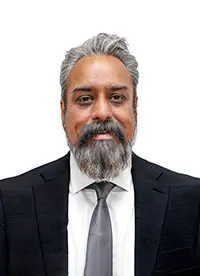
Dr. Ash Bhatt MD. MRO
Quintuple board-certified physician and certified medical review officer (AAMRO) with 15+ years of experience treating addiction and mental health conditions. Read More…
Table of Contents
Most Insurance Policies
Cover Treatment.
Find out what treatment programs you qualify for in less than 2 minutes.
"*" indicates required fields
Ready to Get Help?
Give us a call or fill out a contact form and we’ll reach out to you.