



-
 Written By:
Alex Herrera
Written By:
Alex Herrera
-
 Edited By:
Phyllis Rodriguez, PMHNP-BC
Edited By:
Phyllis Rodriguez, PMHNP-BC
-
 Clinically Reviewed By:
Dr. Ash Bhatt, MD, MRO
Clinically Reviewed By:
Dr. Ash Bhatt, MD, MRO
Nightmares, hypervigilance, and racing thoughts can lead some veterans to use drugs or alcohol for temporary relief. This pattern can deepen both trauma symptoms and substance use, creating needs that a single-focus recovery program may miss. Integrated care addresses both conditions while helping each person build safer ways to cope.
To discuss confidential addiction treatment for veterans, call Legacy Healing Center Ohio at (513) 586-4971.
Addiction treatment for veterans must address the deep link between service trauma and the misuse of drugs or alcohol. Many people who serve face high levels of stress that can lead to post-traumatic stress disorder. According to research, up to 75% of veterans with a substance use disorder also have PTSD. This high rate shows why treating only the addiction is not enough for long-term health. A successful plan uses integrated addiction treatment to find and treat the root cause of the problem. This approach helps the person manage their symptoms while they learn new ways to cope with their past. At Legacy Healing Center Ohio, we focus on providing this whole-person care in a safe and quiet setting. Our goal is to help every veteran find a path to a stable and drug-free life.
It is vital to understand the deep link between mental health and substance use. We will look at why PTSD and substance use often overlap for veterans. We will also see how these two conditions create a hard cycle to break.
Why PTSD and substance use often overlap for veterans
Veterans face unique tests when they return from service. Many deal with deep trauma that can lead to post-traumatic stress disorder (PTSD). At the same time, many struggle with the use of alcohol, tobacco, street drugs, and pills. These two issues often happen at once. In fact, reports from the National Institutes of Health show that up to 75% of veterans with a substance use disorder also have PTSD. This high rate shows how closely these problems are linked.
The link between trauma and self-medication
PTSD can involve intrusive memories, nightmares, sleep problems, irritability, and feeling constantly on guard. Some veterans use alcohol or drugs to numb distress or try to sleep. This is often called self-medication. It may bring brief relief, but it can intensify trauma symptoms and create additional health risks over time. About 20 to 30% of veterans with PTSD also have a substance use disorder.
Using drugs to mask PTSD creates a hard cycle. The brain starts to rely on them to feel “normal.” This makes it even harder to heal from the first trauma. Because these two things feed into each other, expert PTSD treatment must look at how the trauma and addiction work together. Without help for both, one issue can trigger the other to come back.
Why dual diagnosis care is needed
When a person has both PTSD and an addiction, it is called a dual diagnosis. Veterans with both have complex needs that require a full plan. Research shows that integrated addiction treatment is the best way to help. This means treating the trauma and the substance use at the same time.
Old ways of help often treated one issue first and then the other. But this rarely works for veterans. If you only treat the addiction, the PTSD signs may cause a person to use drugs again. If you only treat the PTSD, the addiction can get in the way of therapy. Only about 13% of veterans with both issues get the right amount of care. This is why focused care is so important for those who served.
Common signs of co-occurring issues
It can be hard to tell where PTSD ends and addiction begins. For many veterans, the signs of one issue hide the other. Common signs that both are present include trouble sleeping, night sweats, or bad dreams. You might also notice that a veteran stays away from friends or family. Mood swings and quick tempers are common too. If these signs appear, getting a full clinical check is the first step toward healing.
What signs suggest a veteran may need integrated support?
Many veterans face tough problems when they come home. For some, the stress of service stays with them for a long time. This can lead to a mix of mental health struggles and a need for drugs or alcohol to cope. Experts have found that up to 75% of veterans who struggle with substance use also deal with Post-Traumatic Stress Disorder (PTSD). Because these two issues are so closely linked, it is key to find the right addiction treatment programs that can treat both at once.
Common signs to watch for
It can be hard to know when a person needs help for both trauma and substance use. The signs often overlap and make each other worse. You might feel like you are always on guard or jumpy. Some people find that they cannot relax without using a substance. This is a sign that the body and mind are trying to cope with the pain. Getting a clear view of these signs is a key part of finding help.
Here are some common signs that a veteran might need a full medical check:
- Using alcohol or drugs to stop nightmares or to help with sleep.
- Feeling angry or jumpy for no clear reason.
- Staying away from family and friends or losing interest in hobbies.
- Having flashbacks that feel like you are back in a high-stress setting.
- Drinking more or using drugs to block out bad memories.
- Finding it hard to keep a job or stay on top of home life.
The link between trauma and addiction
When a person has both PTSD and a substance use disorder, their health needs are hard to treat. One problem often feeds into the other. For example, a veteran may use drugs to numb the pain of a past trauma. But as the drug use goes up, it can make trauma signs like fear and anger feel much stronger. This creates a cycle that is hard to stop alone. It is why treating the addiction by itself often does not work for long.
The goal of integrated addiction treatment is to break this loop. Instead of just looking at the drinking or drug use, it looks at the trauma that caused it. This way helps the person find new ways to cope that do not involve substances. It builds a path toward long-term health by healing the mind and the body at the same time. This joint care is often the best choice for those who served.
Why a full check is needed
Every veteran has their own story. That is why a full check-up from a clinical team is so needed. A doctor or counselor can help you see how your service has shaped your health now. They can look for the root cause of your struggles. This ensures you get the care you need from day one. You do not have to guess what you need when you have an expert team to help you.
Getting help is not a sign of weakness. It is a smart move toward a better life. When you get the right support, you can learn to manage your signs and find peace. You do not have to carry the weight of your service alone. There are experts ready to walk with you on the road to recovery. Taking that first step can change everything for you and your family.
How integrated addiction treatment for veterans works
Integrated care means treating mental health and substance use at the same time. Many veterans struggle with both post-traumatic stress disorder (PTSD) and drug or alcohol use. About 20% to 30% of veterans with PTSD also have a substance use disorder. When these issues happen together, clinicians call it a dual diagnosis. Trying to treat one without the other often fails because they are linked. For example, a veteran might use alcohol to cope with trauma symptoms like night terrors or anxiety.
The need for dual diagnosis care
Veterans with both PTSD and substance use issues have complex needs. In a recent study, only about 13.4% of veterans with these two conditions got enough treatment. This gap shows why expert programs are so vital. At Legacy Healing Center, we provide dual diagnosis treatment that addresses the root of the problem. We look at how trauma and addiction feed into each other. By treating them together, we help veterans find a path to long-term health.
Simultaneous therapy and support
Integrated addiction treatment for veterans often includes counseling and medication options. Therapy sessions focus on both recovery skills and trauma work. This method stops one issue from causing a relapse in the other. Veterans can also get professional PTSD treatment through our clinical team. This team knows how service-related trauma impacts daily life. They use proven tools to help you manage symptoms while you work on sobriety. Our goal is to give you the full support you need in a safe and private setting.
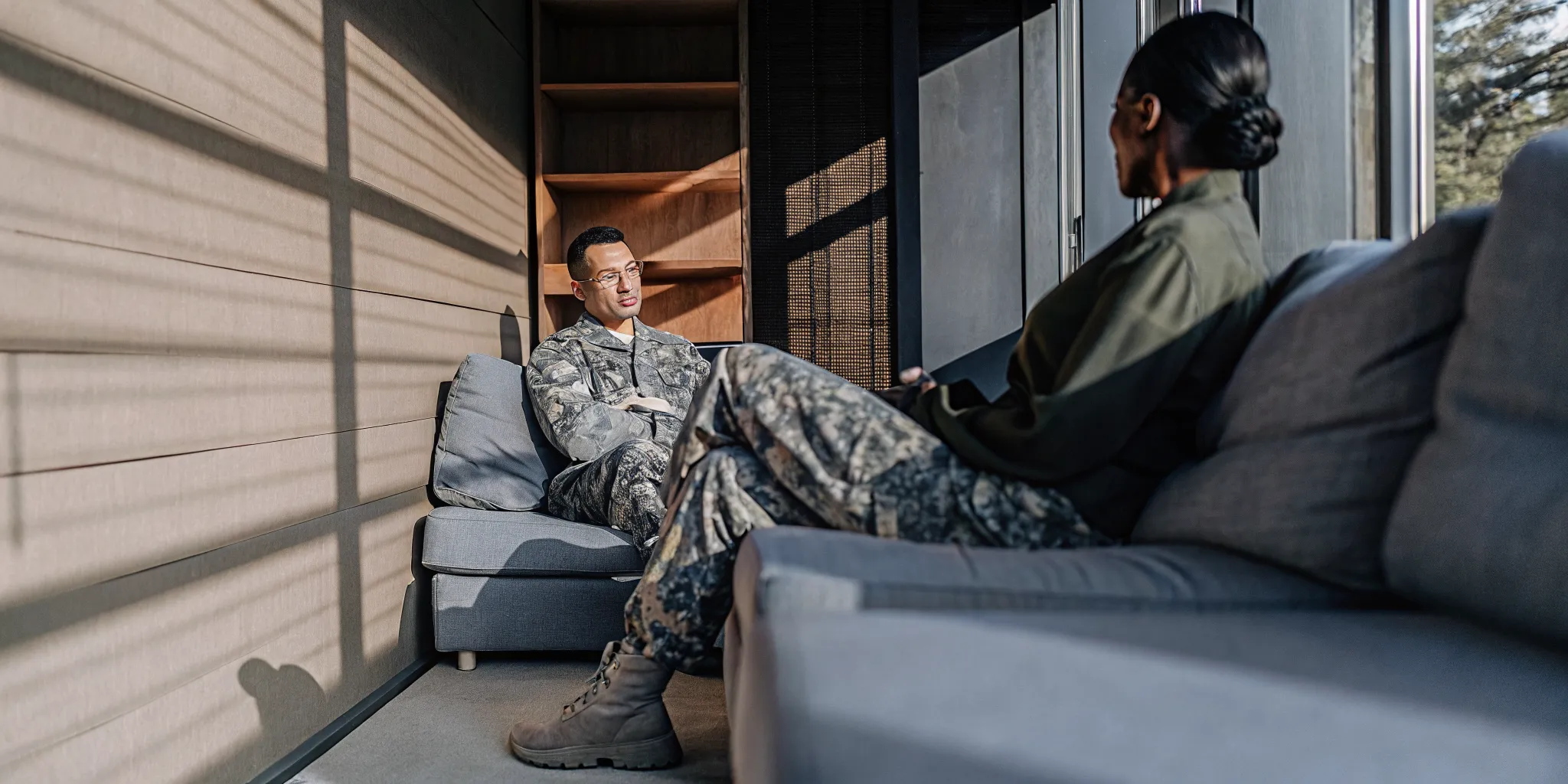
Evidence-based treatment options and their roles
Veterans often face unique tasks when they seek help for drug or alcohol use. Many times, these issues do not exist on their own. Research shows that about 75% of veterans with a substance use disorder also live with PTSD. This link makes it vital to find care that looks at the whole person. Using proven ways to heal helps ensure that each veteran gets the right support for their needs.
Integrated care for dual diagnosis
The best way to help veterans is through a plan that treats mental health and addiction at the same time. This is called integrated care or dual diagnosis treatment. Instead of fixing one problem and then the other, doctors work on both together. This method is the gold standard for integrated addiction treatment because it deals with the root cause of the struggle. It helps veterans learn how trauma and drug use affect each other.
When a veteran has both PTSD and an addiction, their clinical needs are deep. Without a joined plan, it is hard to reach long-term health. Integrated care provides a safe space to work through trauma while also caring for the body. This dual focus can lead to better results and a stronger start in life after service.
Therapy and medicines
Therapy is a key part of getting well for many people. Common types include talk therapy and group meetings. These meetings allow veterans to share their stories with others who understand their path. It helps people feel less alone. Experts use these tools to help people find new ways to cope with stress without using drugs or alcohol.
Medicines can also play a role in a full care plan. Some drugs help reduce cravings or manage signs of mental health issues. The U.S. Department of Veterans Affairs offers proven medicine options alongside therapy. These medical tools work best when they are part of a larger plan. A medical team will watch over this care to make sure it is safe and helpful for the patient.
Comparing common treatment paths
Choosing the right level of care is a big step. Different programs offer different levels of support. Some veterans may need to stay at a center for a while. Others may find that they can get the help they need while living at home. Each path has its own set of goals and tools. It is important to look at all addiction treatment programs to find the best fit.
| Treatment Type | Main Focus | Setting | Time |
|---|---|---|---|
| Medical Detox | Safe withdrawal from drugs. | 24/7 medical care. | 3 to 7 days. |
| Inpatient Care | Daily therapy and support. | Living at the center. | 30 to 90 days. |
| Outpatient Care | Part-time therapy and work. | Living at home. | Varies by need. |
| Dual Diagnosis | Treating PTSD and addiction. | Clinical setting. | Full course. |
Each of these options serves a role in the healing process. Medical detox is often the first step to clear the body. After that, inpatient care provides the deep work needed to change habits. For those who need to balance work or family, outpatient care offers more room. The right choice depends on the veteran’s health, home life, and long-term goals. Every path aims to give veterans the tools they need for a sober and healthy life.
How to choose appropriate treatment and take the next step
Picking a path for healing is a big move. For many people, it starts with finding a team that knows the unique needs of those who served. You need a place that looks at both your mental health and your physical needs at the same time. This is why Dual Diagnosis Treatment is so vital. It helps you work on every part of your health so you can stay well for a long time.
Look for integrated care paths
Most veterans who struggle with substance use also deal with mental health issues. In fact, up to 75% of veterans with a substance use disorder have PTSD too. If a program only treats one problem, you might not get the full help you need. Integrated care means you work on trauma and addiction in one plan. This gold standard approach leads to better results because it stops one issue from starting the other.
Ask about trauma-informed support
Trauma can change how you feel and act. A good clinic uses trauma-informed care to keep you safe and calm. They know that loud noises, crowds, or even some ways of talking can cause stress. For veterans, expert care often includes help for service-linked stress. At Legacy Healing Center Ohio, the resort-style setting helps lower stress. This makes it easier for you to focus on your healing without extra strain.
- Check your insurance plan. Start by seeing if your private insurance covers the costs. Legacy Healing Center Ohio works with many private plans but does not take Medicare or Medicaid. Knowing your coverage first helps you plan your next steps without surprise bills.
- Confirm co-occurring care. Ask the staff if they treat mental health and addiction at the same time. You need a team that builds one clear plan for both. This ensures you receive the care that best fits your life and needs.
- Discuss medical options. Proper care often includes both therapy and medicine. Ask about proven medication options and different types of counseling. The VA notes that using both often works best for long-term health.
- Check the center setting. High-quality care should feel safe and private. A quiet, resort-like spot can help you feel more at ease during a hard time. Ask if the center has private rooms or areas where you can relax between sessions.
- Compare VA and private choices. Ask the VA about eligibility and available services, then compare them with private treatment options. Confirm that any provider can assess both trauma-related symptoms and substance use. Choose care based on clinical fit, safety, availability, and verified insurance coverage.
Taking that first step can feel tough, but you do not have to do it alone. Many centers have experts who can walk you through the process. They can help with travel plans or explain how your care will look each day. By asking the right questions now, you set yourself up for a smoother path to a healthier life.

How families can support a veteran seeking help
Supporting a loved one who served in the armed forces can feel like a big task. Many families want to help but do not know where to start. It is common to feel scared or unsure when a veteran has a drug or alcohol problem. The most vital thing you can do is show that you are on their side. You do not need to be a doctor to give help that makes a real change.
When you talk to a veteran about addiction treatment programs, stay calm. Avoid using blame or shame. These feelings often make a person pull away. Instead, focus on the fact that you care about their health and safety. Let them know that seeking help is a sign of strength, not a sign of failure.
Listen with an open mind
Active listening is a key tool for any family member. This means you listen to what the veteran says without trying to fix it right away. Many veterans use drugs or alcohol to cope with bad memories or physical pain. This is a way to dull the hurt they feel from their time in service. By listening, you help them feel seen and heard. It builds the trust they need to take the next step.
Avoid asking too many questions about their service unless they want to share. Some topics can be hard for them to talk about. Just being there and showing you are ready to help is enough. You can offer to help them find a local center or drive them to a meeting. Small steps like these show that they do not have to face their struggle alone.
Support combined care
It is very common for veterans to have more than one health issue at a time. For example, about 20% to 30% of veterans with PTSD also have a substance use disorder. This means their brain is dealing with trauma and drug use at once. If a person only gets help for drug use, the trauma may cause them to use again later. This is why you should look for care that treats both issues as one.
Experts call this integrated addiction treatment. It is the best way to help someone who has complex needs. This type of care looks at how the mind and body work as one. It uses therapy and health support to help the person heal. When you talk to them, explain that treating the root cause is the path to lasting health.
- Focus on the person, not just the problem.
- Set clear rules that help keep the home safe and calm.
- Learn about the signs of trauma so you can know their mood.
- Encourage them to join groups with other people who served.
Know when to get urgent help
Safety must always come first. There are times when a veteran may feel like they are in a crisis. If your loved one is in danger or talks about harm, you must act fast. You do not have to handle a crisis on your own. There are experts ready to talk to you and the veteran at any hour of the day or night.
You can call 988 and then press 1 to reach the Veterans Crisis Line. This service is free and stays private. You can also text 838255 to chat with a person who knows how to help. These helpers are often veterans themselves. They know the trials that come with service and can help you find a safe way forward.
What supports long-term recovery after treatment?
Completing a stay in a clinical setting is a big step, but it is just the start. For those who served, staying sober often depends on a plan that keeps going long after the first phase of care ends. This plan must bridge the gap between a safe clinical space and daily life. Success relies on a mix of peer support, medical follow-ups, and a safe place to live.
Building a community of peers
Peer support is a key part of staying on track. Many people find that talking to others who have been in the same spot helps them feel less alone. Organizations like SAMHSA offer tools to find local support groups and community help. These groups provide a space to share wins and struggles with people who know the path. This kind of social bond is vital for those seeking addiction treatment programs that last.
Veterans often find that staying close to fellow service members makes the transition easier. Responders for help lines are often veterans themselves, which builds trust and a shared sense of duty. This bond can help prevent a slide back into old habits when life gets hard. For many, a strong group of peers is the best tool to keep a clear head and a steady path.
Care for the whole person
Ongoing care must address more than just the use of drugs or alcohol. Since many veterans deal with both trauma and substance use, they need integrated addiction treatment that covers both at once. This model ensures that mental health needs, like stress or anxiety, do not trigger a relapse. Continuous care might involve talk therapy, check-ins with doctors, and help with life skills.
The VA provides medication options and counseling to help people manage their recovery over time. Veterans should contact the VA directly to confirm eligibility and available services. By coordinating care between different providers, you can ensure that your physical and mental health stay in balance. This full-scale support is the best way to maintain a healthy life and stay away from substances for good.
For help comparing integrated treatment options, call Legacy Healing Center Ohio at (513) 586-4971 for a confidential conversation.
Frequently Asked Questions
Does the VA cover addiction treatment?
Yes, the VA provides several ways to help with substance use. This includes medical detox, talk therapy, and residential stays. The VA explains how to connect with substance use services. Veterans should contact the VA directly to confirm eligibility and available care. Private treatment is another option for people seeking integrated support. For example, dual diagnosis treatment centers treat both trauma and addiction at the same time to help you heal.
Can I get VA disability for drug addiction?
You cannot get disability pay for drug or alcohol use by itself. However, many veterans use substances to deal with service issues like PTSD. If a mental health condition from your time in service leads to a substance problem, it may be part of a claim. Research in the PMC shows that 75 percent of veterans with substance use disorders also have PTSD. You should work with a service officer to see if your case qualifies for monthly benefits.
Why do veterans struggle with addiction?
Many veterans face high stress from combat and time away from home. These factors often lead to mental health issues like PTSD. Data from academic studies suggests that up to 30 percent of veterans with PTSD also have a substance use disorder. Using drugs or alcohol may start as a way to numb painful memories or help with sleep. Over time, this can turn into a serious health problem. Specialized care can help by finding the root cause of the trauma.
Is there free therapy for veterans?
Yes, there are several ways to find free help. The Veterans Crisis Line offers free, private support all day and night. You can call 988 and press 1 to talk with a trained expert right away. Also, SAMHSA provides a free national helpline for treatment info. While these lines give fast help, finding a long-term plan is key. Programs like medical detox can be the first step in a safe recovery journey for many.
Ready to talk with a specialist about treatment options?
Living with trauma and substance use can affect health, work, relationships, and daily stability. Legacy Healing Center Ohio can explain available integrated addiction treatment options and help you consider an appropriate next step. We do not claim to offer a veteran-specific program or veterans benefits assistance.
Call (513) 586-4971 to speak confidentially with an admissions specialist about treatment options.